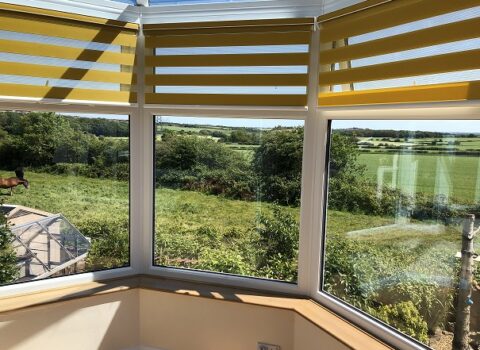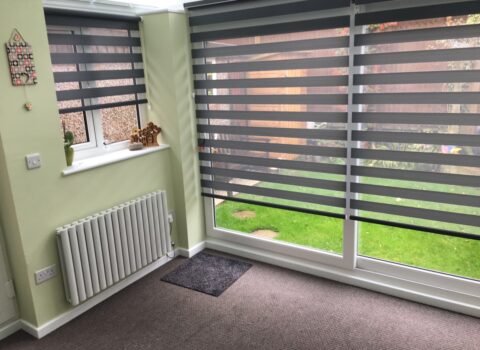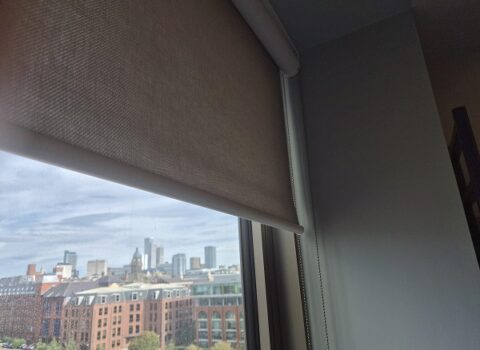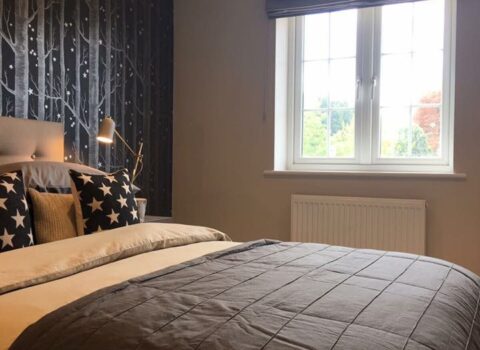
Blinds are well established as an integral element of our interior décor and we put considerable thought into styles, colours and textures in order that they help balance a room and are presented as a desirable feature. We also ensure we choose the right type of blind for practical reasons, such as light control, operation and privacy. But after that, once our blinds are installed, how often do we think about them or inspect them, other than when there is a functional problem?
The reality is that it makes good sense to inspect your blinds regularly. They are a barrier between outside weather conditions and the indoors, so they can be affected by sunlight, cold and damp conditions and are also subjected to wear and tear from being opened and closed every day. If blinds suddenly become unusable or ineffective, it can make a big difference to your home and your daily lives. So here we have put together some of the most common signs that your blinds might need replacing.
- Weather damage
Your blinds are in direct sunlight a lot of the time, so it is common for slats to become warped or bent from the heat, particularly styles such as wood or faux wood. It is usually possible to identify slats that are damaged in this way but it is not always possible to replace individual slats. If several are damaged, it might be just as easy and more cost-effective to replace the whole blind, and maybe also think about a style, texture or fabric that is more suitable for that particular window. Some fabric blinds will also lose their insulating and light-blocking qualities as they age through weathering, so you may notice they are not as effective.
- Cord damage
It is possible that a cord becomes frayed through general wear and tear, and may eventually snap. An old cord may also become discoloured through everyday use, and is difficult to restore. This impacts on the overall look of your blind and might be a sign you need a new one.
- Edge damage
If a blind hasn’t been measured properly or is a really tight fit in a window recess, the edges of the material or the slats may start to fray. This is due to them rubbing on the walls of the window recess each time you raise and lower or tilt the blind. While being a few millimetres out with your measurements doesn’t hugely impact on the blind visually, accurately measuring the blind will prevent this kind of damage and lead to your blind having a longer lifespan.
- The blind leaves a gap when closed
Sometimes a blind mechanism can drop, screws become loose or the material drops on a blind, usually through everyday wear and tear. This can result in the blind leaving gaps around the edges or looking lopsided when closed. It is probably time to fit a new blind and this will solve the problem.
- The blinds are no longer the right style
It is common for a room to be redecorated or restyled and yet we might keep the blinds the same because there is nothing wrong with them, and we ‘think’ they fit the new décor. Over time this might change, something feels wrong and eventually we realise the blinds don’t suit the room anymore. When redecorating a room, blinds should be a central part of the overall scheme, and while it might be a pain to change them, now is the best time to do it.
- Fading and discolouration
This is perhaps the most obvious and visual sign that your blinds need replacing, simply looking old and weathered. Wood, fabric and ‘faux’ materials can bleach or fade in direct sunlight and will very quickly look old, dirty and outdated.
Get your new blinds from Solaire Blinds & Shutters
It is generally agreed that good quality blinds should last around seven to eight years. This fits in with how we think about individual rooms in terms of a cycle of new interior décor and restyling a room, and also allows for the general aging and wear and tear a blind will always be subjected to. So if you need new blinds of any style and for any room in the home, you can contact Solaire Blinds & Shutters today to book in a free design quote.